









Research
We analyze public records, information requests, and original evidence to drive meaningful change.
 without dolphinariums
It is estimated that up to
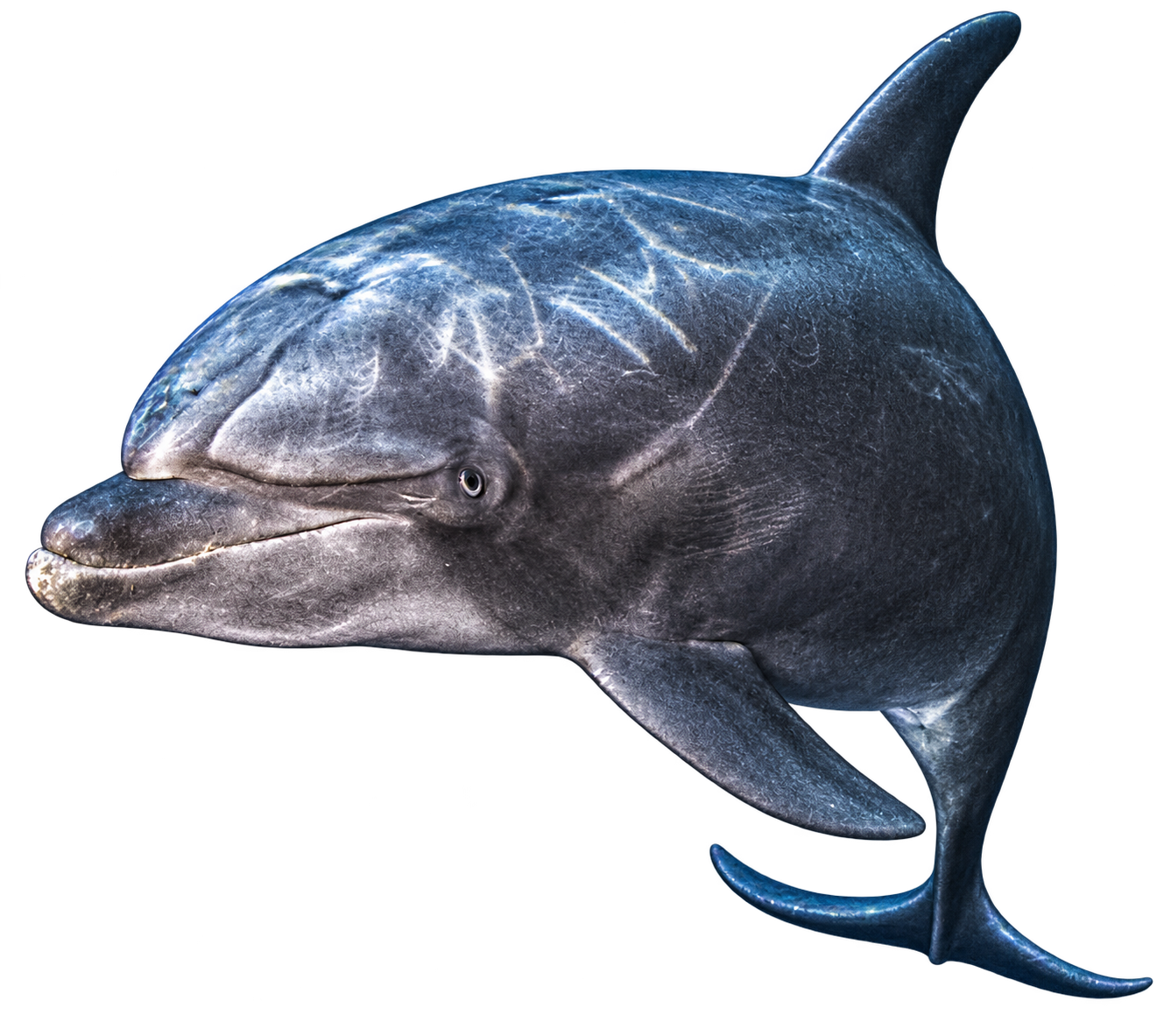
dolphins live in captivity in Mexico
For decades, hundreds of dolphins were captured and exploited for entertainment.
Mexico is home to one of the world's largest dolphinarium industries. For years, hundreds of marine mammals were captured, bred, and used for shows and tourist interactions. Today, we have a historic opportunity to transform that reality.
What we do
We address captivity from every angle to create lasting change.
We analyze public records, information requests, and original evidence to drive meaningful change.

We work with authorities, experts, and organizations to advance laws and public policy.

We create campaigns and tools so anyone can learn, act, and become a voice for marine mammals.

We advance seaside sanctuaries where animals can live with greater wellbeing.
Our biggest project
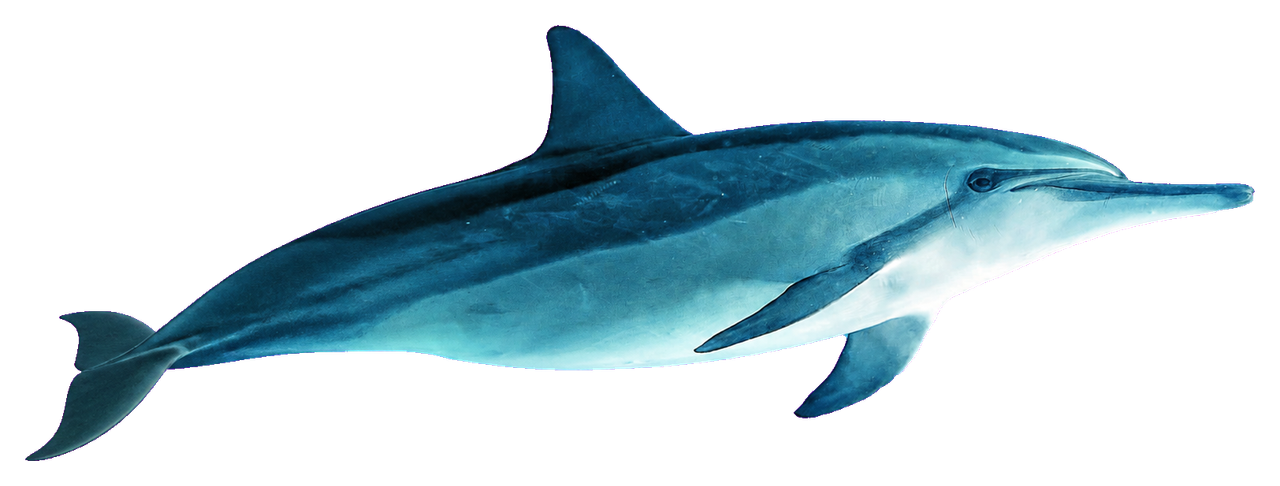
We are working with experts, organizations, and authorities to make the transition from captivity to a seaside sanctuary possible. Closing a dolphinarium is only the first step; real change means offering animals a dignified future.
Explore the projectHow you can help

Your support makes research, campaigns, and real solutions for marine mammals possible.
Support our work
Help us create content, research, organize campaigns, and mobilize more people.
Join the team
Document and report possible abuse or irregularities involving captive marine mammals.
How to reportResources
Explore documents, research, and learning materials about the reality of captive marine mammals.

Clear answers about captivity, legislation, and seaside sanctuaries.
Open resource
From dolphinariums to Mexico's first marine-mammal conservation center.
Open resource
More than a decade documenting Mexico's dolphinarium industry.
Open resource
Documentaries, webinars, and resources recommended by our team.
Open resource
Releases, official statements, and updates from our campaigns.
Open resourceFrequently asked questions
Clear answers about dolphinariums, seaside sanctuaries, and the future of marine mammals in Mexico.
An estimated 240 to 350 dolphins live in captivity across approximately 29 to 34 dolphinariums throughout the country. Most of these facilities are in Quintana Roo, the state with the highest concentration of dolphinariums in Mexico.
We work toward real, structural change for marine mammals in Mexico. We advocate for an end to captive breeding, the transition from dolphinariums to seaside sanctuaries, and public policies that prioritize animal wellbeing over exploitation.
Our goal is for dolphins to be moved gradually to seaside sanctuaries, where they can live in a much more natural environment without being forced to perform or interact with tourists. In some cases, when it is possible and safe, they may also be rehabilitated with a view to future release.
Being born in captivity does not mean they should remain exploited for their entire lives. Alternatives such as seaside sanctuaries offer a larger, more natural environment where they can live without being used for entertainment. Each case must be assessed individually by specialists.
Many people who work directly with the animals care deeply about them. However, the problem is not only who cares for them, but a system that keeps marine mammals captive to generate entertainment and economic profit.
You can help in many ways: avoid attending marine-mammal shows, share evidence-based information, sign our campaigns, report possible irregularities, and support organizations working on solutions to end captivity.
We are a small team of volunteers committed to protecting marine mammals. Through research, policy advocacy, education, and citizen mobilization, we work to accelerate the transition from dolphinariums to seaside sanctuaries. Our work is possible thanks to people who share this vision.