




The future of marine mammals in captivity in Mexico
Mexico faces a historic opportunity to move beyond dolphinariums and build a new model based on animal welfare, science, conservation, and responsible tourism.

Published byEmpty the Tanks México8 min read · October 28, 2026
From legal compliance to building dignified retirement alternatives.
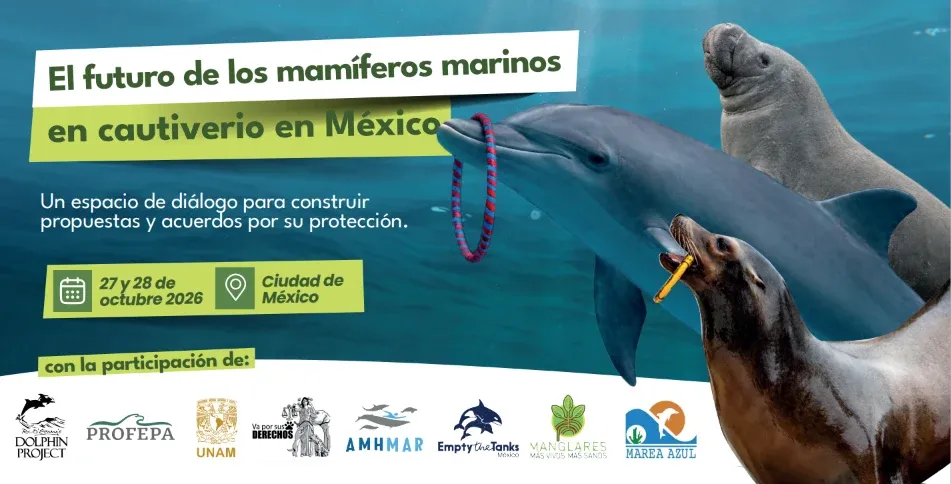
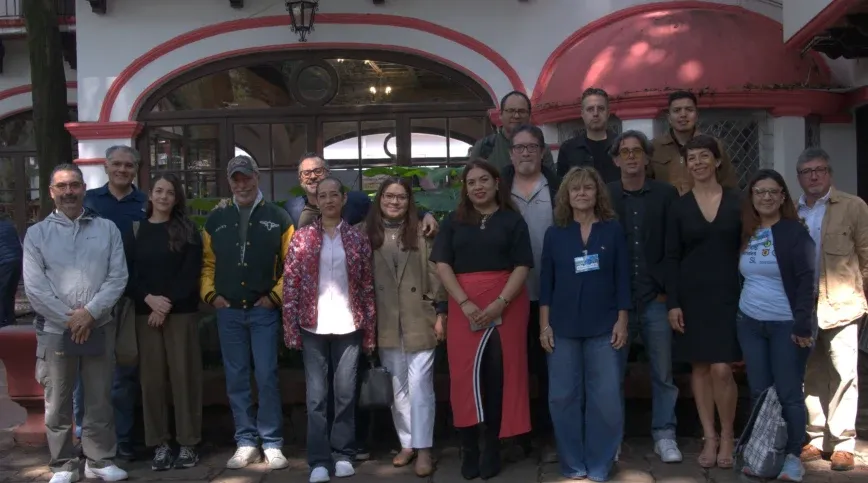
On October 27 and 28, 2026, Mexico City hosted the Forum “The Future of Marine Mammals in Captivity in Mexico,” bringing together representatives from government agencies, the marine mammal entertainment industry, academia, and civil society organizations to discuss the future of dolphins, sea lions, and manatees currently held in captivity.
The meeting provided an important space for dialogue on the implementation of Mexico’s recent amendments to the General Wildlife Law, the responsibilities of government authorities and facilities holding marine mammals, and the urgent need to develop viable alternatives that prioritize animal welfare and dignified retirement.
Organized amid a significant transformation in Mexico’s legal framework, the forum addressed a fundamental question: What comes next for marine mammals currently living in captivity?
The answer requires more than regulatory compliance. It demands scientific cooperation, institutional responsibility, appropriate infrastructure, and a commitment to placing the needs of individual animals at the center of every decision.
Government oversight and the responsibility to enforce the law
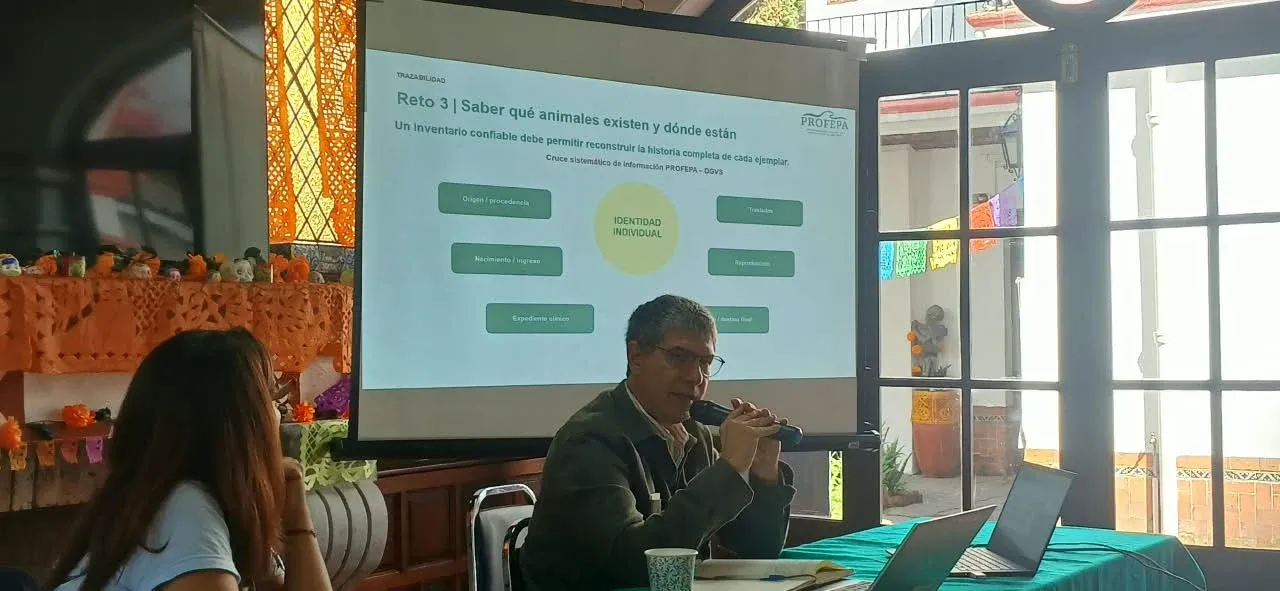
The forum opened with a presentation by Anthropologist Gustavo Ampugnani, representing the Federal Attorney for Environmental Protection (PROFEPA), titled “PROFEPA’s Challenges in Protecting Wildlife in Mexico.”
His presentation addressed the challenges involved in inspection and enforcement, as well as the responsibility of authorities to ensure that wildlife facilities comply with applicable legal requirements.
The discussion highlighted the importance of evaluating the conditions under which animals are maintained, including infrastructure, nutrition, veterinary care, and the general conditions necessary to protect their welfare.
Government oversight must go beyond reviewing paperwork. Effective enforcement requires monitoring actual conditions, identifying deficiencies, and ensuring that facilities fulfill their legal obligations.
Veterinary pathology: understanding the consequences of captivity
One of the most important scientific contributions came from Dr. Beatriz Vanda Cantón, veterinarian and specialist in pathology at the National Autonomous University of Mexico (UNAM).
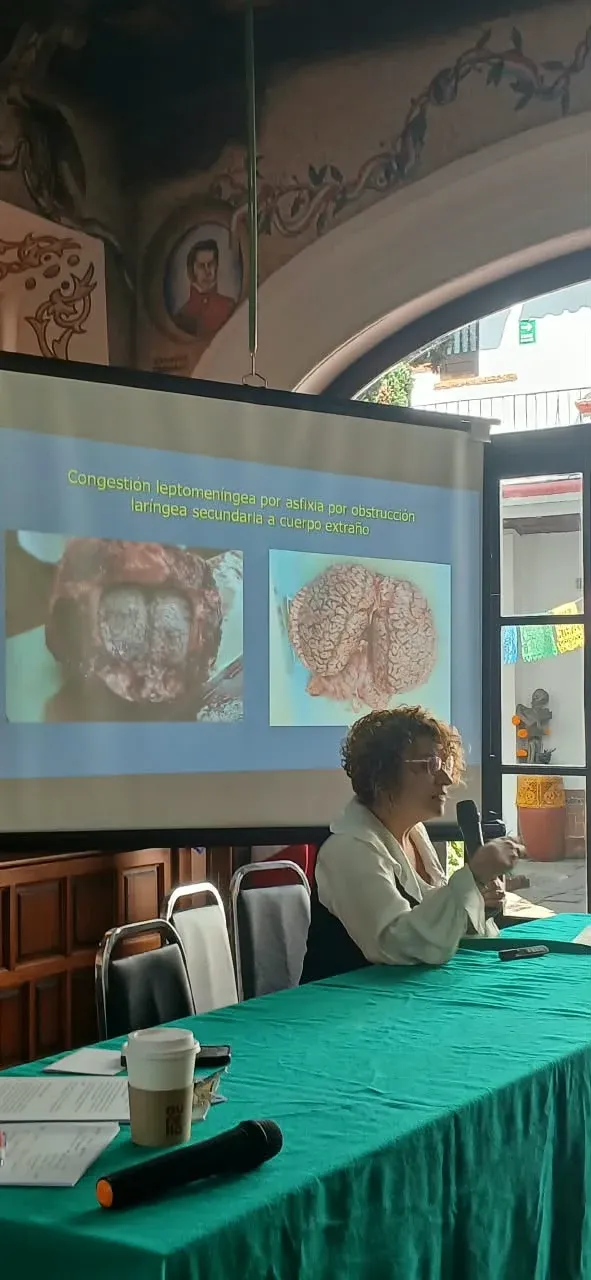
Her presentation, “Pathological Diagnosis in Captive Dolphins and Sea Lions,” examined the importance of veterinary pathology in understanding the health conditions of marine mammals living under human care.
She emphasized that current conditions in many facilities do not necessarily guarantee animal welfare and that the industry must take greater responsibility for preventing pain, identifying diseases promptly, improving infrastructure, and ensuring appropriate veterinary treatment.
Among the issues discussed were gastrointestinal conditions, including hemorrhagic gastritis and perforated ulcers, as well as the importance of timely medical intervention, appropriate analgesia when indicated, environmental enrichment, and improved water quality and nutrition.
Her presentation also addressed the behavioral and physiological challenges associated with captivity, including stress, frustration, and limitations on the expression of natural behaviors such as echolocation and the complex social relationships that characterize dolphins.
Dr. Vanda stressed the importance of reviewing mortality records and conducting thorough post-mortem examinations. She called on PROFEPA and SEMARNAT to examine the causes of death and necropsy records from dolphin facilities in order to identify recurring health risks and improve animal care.
Understanding why animals become ill and die is essential to developing meaningful measures to prevent further suffering.
Animal protection and the constitutional framework in Mexico
M.D. Susana Ramírez, representing Va por sus Derechos A.C., presented “General Laws on Animal Rights in Mexico and Their Constitutionality.”
Her presentation explored the legal framework governing animal protection in Mexico, the constitutional foundations of animal welfare, and the responsibilities of public institutions in ensuring that existing protections are respected.
The discussion highlighted the importance of interpreting wildlife legislation within the broader evolution of animal protection in Mexico and recognizing that the implementation of legal reforms requires institutional commitment and effective enforcement.
CIVS: strengthening the State's responsibility to protect wildlife
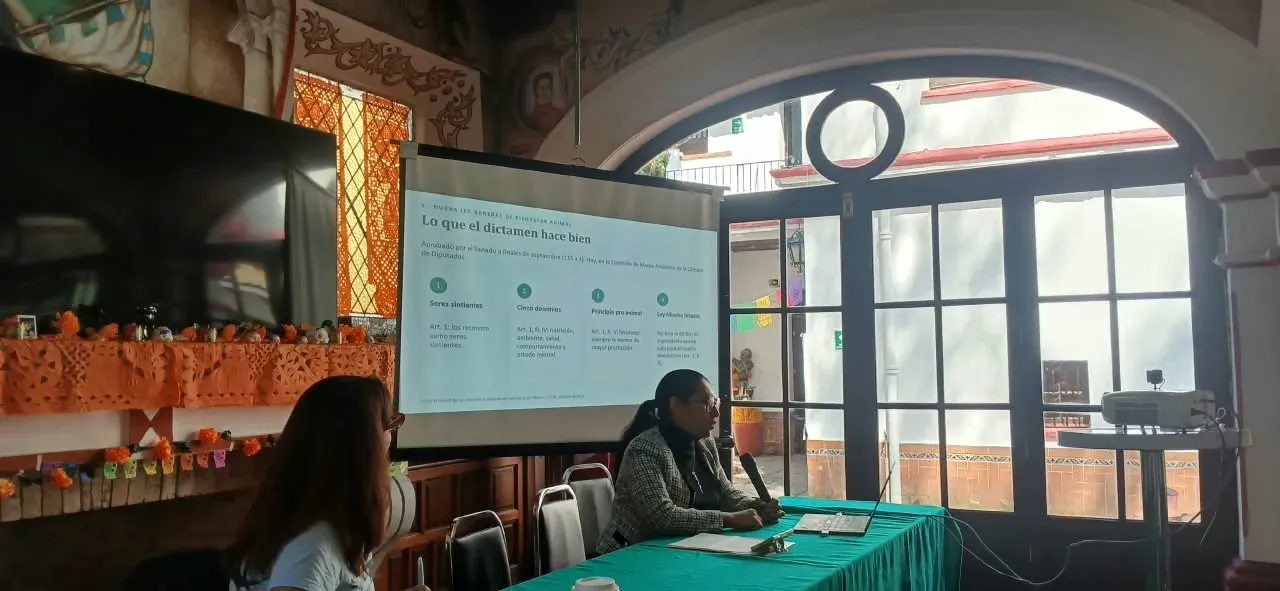
Lourdes Rodríguez Badillo, legal representative of Movimiento Alterno de Regeneración de Ecosistemas Afectados (Marea Azul A.C.), presented “The Shared Responsibility of the State and the Need to Establish Wildlife Research and Conservation Centers (CIVS) to Protect Wildlife from Trafficking.”
Her presentation emphasized the need to strengthen public infrastructure and institutional capacity to receive, rescue, provide veterinary care for, rehabilitate, and, when possible, reintegrate wildlife affected by trafficking and other human activities.
She highlighted the importance of the framework established under Article 38 of Mexico’s General Wildlife Law and the role that Wildlife Research and Conservation Centers (CIVS) can play in addressing the needs of animals requiring specialized attention.
The creation and strengthening of these centers would also provide opportunities for cooperation among government authorities, universities, scientific experts, civil society organizations, and local communities.
Protecting wildlife requires more than responding to individual emergencies. It requires long-term public policies, adequate facilities, technical expertise, and coordinated action.
From captivity to dignified retirement: international examples
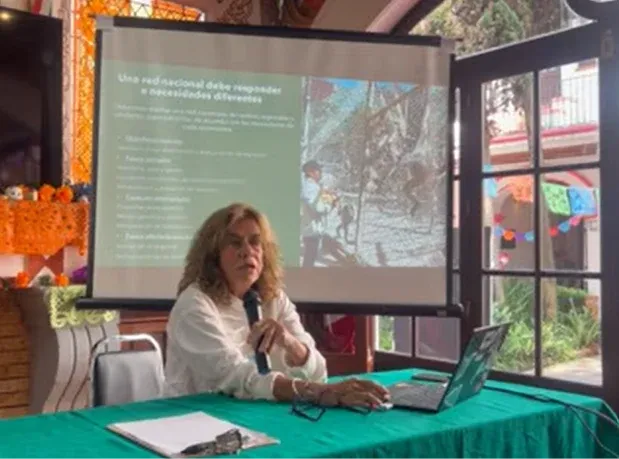
An important international perspective was presented by Lincoln O’Barry of Dolphin Project, with his presentation “Rehabilitation and Retirement of Formerly Captive Dolphins: Uma Lumba Center, a Global Sanctuary Example.”
He introduced the Uma Lumba Center in Bali, Indonesia, as an example of a project dedicated to the rescue, rehabilitation, and retirement of dolphins formerly held in captivity. He also shared progress on a second rescue, rehabilitation, and retirement initiative in Italy.
These projects demonstrate the importance of developing alternatives for animals whose individual health, history, and circumstances may make release into the wild impossible or inappropriate.
A marine sanctuary is not simply another enclosure. Its purpose must be to provide an environment that allows animals to experience more natural conditions, with appropriate veterinary care, individualized management, and freedom from entertainment activities and forced human interactions.
Lincoln also highlighted the opportunity for Mexico and Latin America to become international references in the development of marine mammal retirement projects, ecosystem regeneration, and responsible wildlife protection.
The challenge is to move away from an industry based on animal performances and commercial interactions toward a model that respects the dignity and individual needs of each animal.
From dolphinariums to marine pens: regenerative and community-based tourism
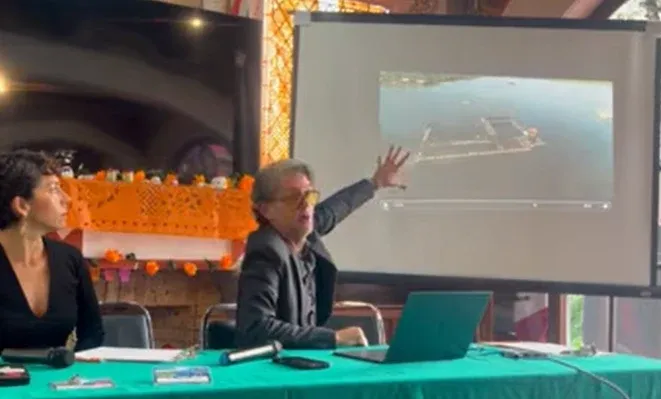
M.C. Selene Mariel Tejeda Bravo, Director of Empty The Tanks México, presented “New Ways of Interacting with Marine Mammals: Regenerative and Community-Based Tourism in Protected Natural Areas.”
Her presentation addressed the transition from concrete tanks and swimming pools toward marine pens and dignified retirement alternatives, emphasizing animal welfare, conservation, and the protection of natural ecosystems.
She explained that Mexico has an opportunity to develop tourism models that do not depend on keeping marine mammals captive or forcing them to interact with visitors.
Responsible wildlife tourism can instead be based on observing animals in their natural habitats, environmental education, scientific research, citizen science, and meaningful participation by local communities.
The presentation also highlighted the relationship between marine mammal protection and the conservation of mangroves, coastal lagoons, and protected natural areas.
A transition toward marine pens and sanctuaries must be supported by scientific assessments, appropriate site selection, veterinary protocols, environmental monitoring, and the necessary legal authorizations.
The objective is not simply to relocate animals, but to develop individualized retirement plans that consider their health, behavioral history, social relationships, and capacity to adapt to new environments.
The message was clear: marine mammals belong in the ocean, and our relationship with them should be based on respect, knowledge, and conservation—not exploitation.
The industry's perspective: challenges following the legal reform
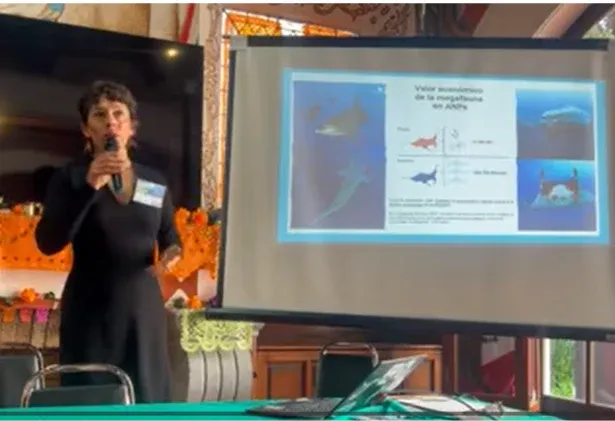
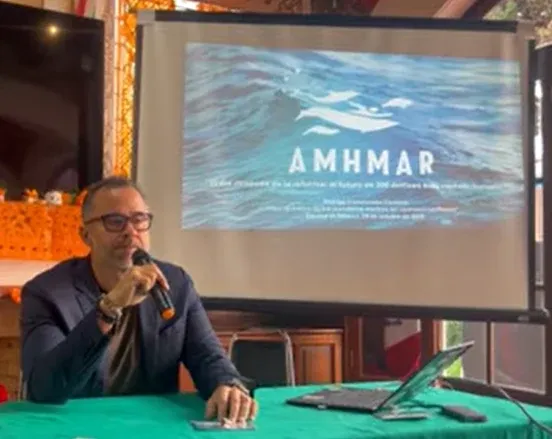
Rodrigo Constance, representing AMHMAR (Mexican Association of Habitats for the Interaction and Protection of Marine Mammals), presented “The Day After the Reform: The Future of Dolphins under Human Care from the Business Sector's Perspective.”
His presentation addressed the concerns of the business sector regarding the recent legal reform, particularly the prohibition on reproduction in captivity and the challenges associated with transitioning existing facilities toward marine pens.
The industry expressed disagreement with certain provisions of the reform and raised concerns about the financial and infrastructure requirements involved in implementing the new framework.
He also discussed the limitations of existing facilities, many of which were originally designed for tourism activities and swimming pools rather than the environmental and spatial conditions associated with natural marine habitats.
This perspective highlighted the scale of the transition ahead and the need for transparent dialogue regarding technical requirements, implementation timelines, and institutional responsibilities.
However, economic and operational challenges cannot replace the legal obligations established by the reform. The transition must be addressed through concrete plans, measurable progress, and a commitment to animal welfare.
The challenges ahead: turning legal reform into action
The forum made clear that Mexico is entering a decisive period in the implementation of its new legal framework for marine mammals in captivity.
The challenge is not limited to interpreting the law. It is necessary to establish practical mechanisms that ensure compliance and provide appropriate solutions for the animals currently held in facilities throughout the country.
Among the main challenges identified are:
- Effective enforcement: Strengthening inspection and monitoring to ensure that facilities comply with applicable wildlife protection and animal welfare requirements.
- Veterinary assessment and transparency: Improving individual medical records, mortality investigations, necropsies, and access to relevant information about the health of animals.
- Appropriate infrastructure: Developing technically sound alternatives, including marine pens and retirement facilities, subject to environmental assessments and the necessary authorizations.
- Individualized retirement plans: Evaluating each animal according to its medical history, physical condition, behavior, and social needs.
- Scientific cooperation: Establishing shared protocols for assessment, rehabilitation, transportation, monitoring, and long-term care.
- Sustainable alternatives: Promoting conservation, environmental education, community participation, and responsible tourism that does not depend on the exploitation of captive marine mammals.
The transition must be transparent, scientifically supported, and consistent with the legal framework. It must also recognize that each animal is an individual with specific needs and circumstances.
A collaborative agreement to advance marine mammal protection in Mexico
As part of this effort, Dolphin Project, Marea Azul A.C., Manglares Más Vivos Más Sanos A.C., and Empty The Tanks México established a collaboration agreement aimed at strengthening scientific cooperation, research, and the development of alternatives for marine mammals in Mexico.
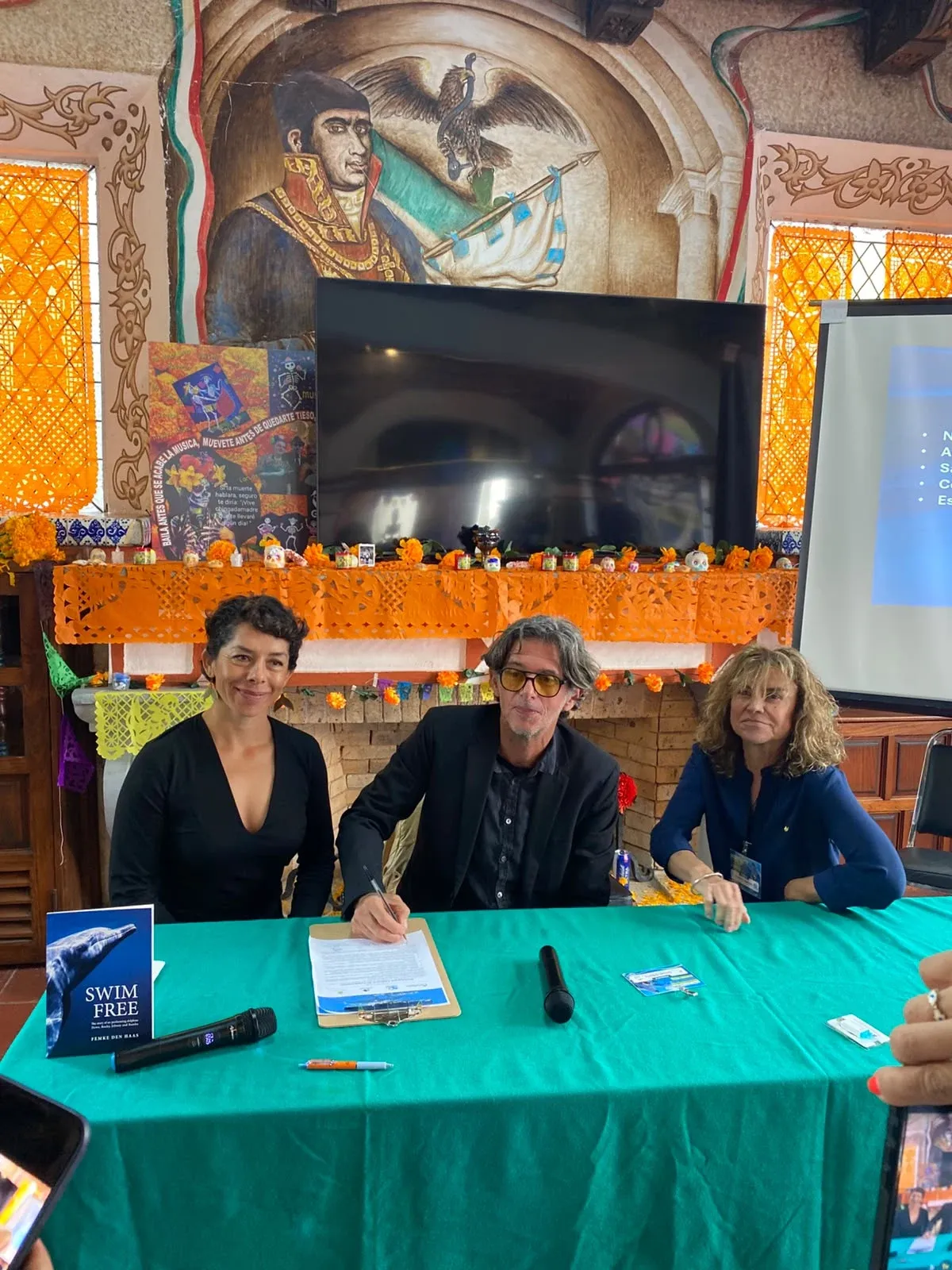
The agreement establishes a framework for joint work in several areas:
- Individual assessment and care: Supporting rescue, veterinary attention, rehabilitation, reintegration, or permanent retirement according to each animal's history, health, and behavior.
- Dignified retirement alternatives: Exploring marine sanctuaries and semi-open marine pens that can provide more natural conditions and appropriate veterinary care, without performances, commercial breeding, or forced human interactions.
- Scientific cooperation and protocols: Promoting common technical criteria for assessment, transportation, rehabilitation, and long-term monitoring, while encouraging collaboration among specialists, universities, and organizations.
- Legal and institutional protection: Developing technical and legal proposals and maintaining dialogue with government authorities to support implementation of the current legal framework.
- Conservation and community participation: Connecting marine mammal protection with the conservation of mangroves, coastal lagoons, and marine ecosystems, while promoting responsible tourism and meaningful community involvement.
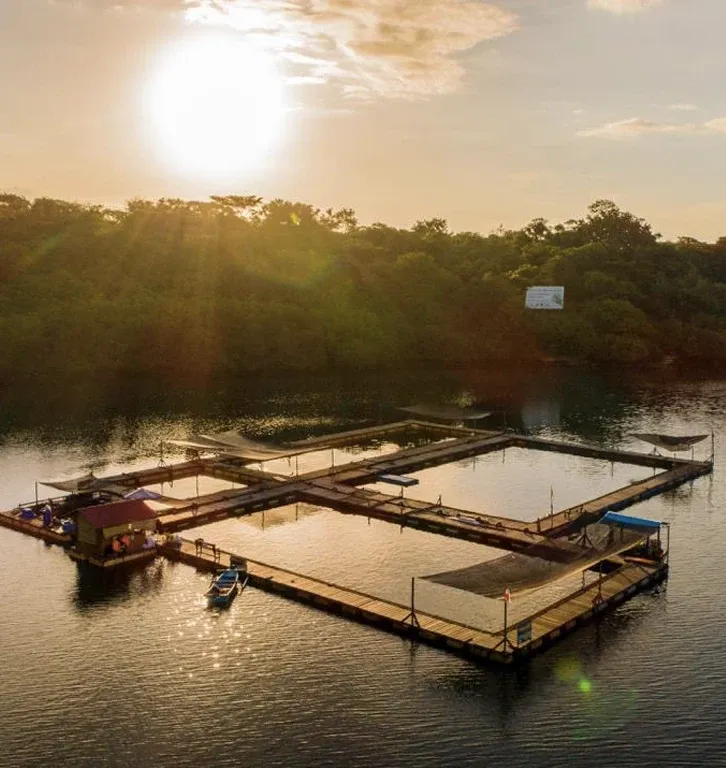
The first steps will include establishing a coordination mechanism, identifying technical needs, developing shared assessment criteria, evaluating potential sites, and designing pilot projects with clear objectives, responsibilities, budgets, and measurable indicators.
This collaboration represents an important opportunity to bring together international experience, scientific knowledge, legal expertise, and community-based conservation initiatives.
Mexico has an opportunity to lead a new path
The forum demonstrated that the future of marine mammals in Mexico cannot continue to depend on the traditional dolphinarium model.
The legal reform has established a new direction. The challenge now is to ensure that its implementation translates into real improvements in the lives of the animals affected.
Government authorities must fulfill their responsibilities. The industry must comply with the law. Scientific institutions must contribute evidence and technical expertise. Civil society organizations must continue to promote transparency, accountability, and viable alternatives.
Above all, the animals themselves must remain at the center of every decision.
Dolphins, sea lions, and manatees are not entertainment products. They are sentient, socially complex animals whose lives should not be reduced to performances, commercial interactions, or the limitations of concrete tanks.
Mexico has the opportunity to become a regional leader in the transition toward marine mammal retirement, sanctuary development, ecosystem conservation, and responsible tourism.
The future must be built on science, respect, accountability, and the recognition that wildlife belongs in its natural environment.
NO MORE TANKS. NO MORE SHOWS. NO MORE BREEDING FOR ENTERTAINMENT.
#ADIÓSDELFINARIOS
A NEW FUTURE FOR MARINE MAMMALS IN MEXICO.